


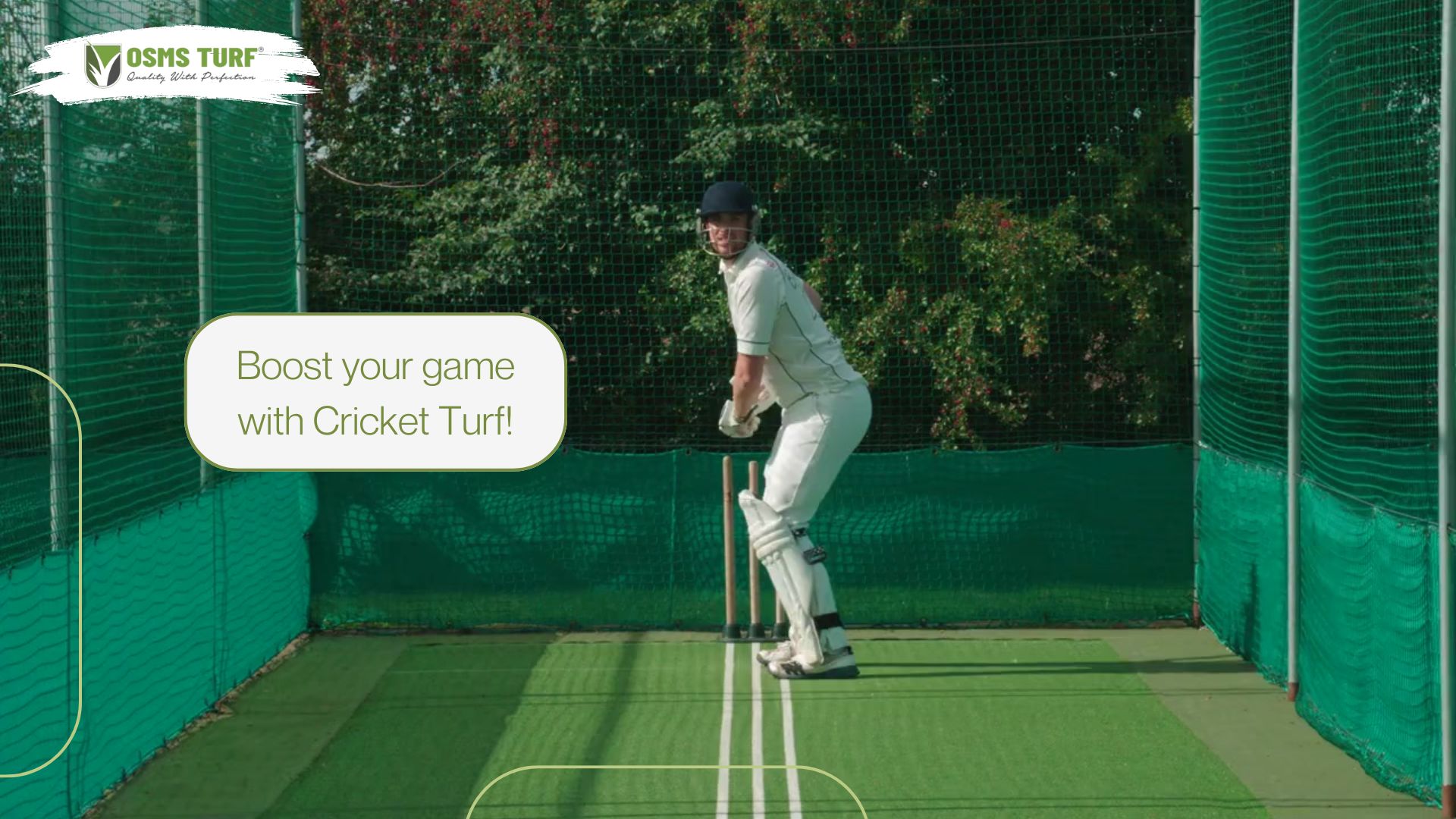
Cricket is a game in which the field tells the story. Every turn, bounce, and speed comes from the ground beneath players' feet. The question is asked repeatedly whether a field should choose a natural surface or an artificial one?
Both options are extensively used nowadays, from small schools as well as international venues. Each has its own advantages, limitations, strengths, and best-use situations. The decision isn't about which one is "better" generally but rather, which is best suited to the need and budget as well as the level of playing.
From Cricket Turf Manufacturer view, Get clear, accurate, and practical insights into both artificial and natural cricket pitches, presented in a straightforward and unbiased manner for easy understanding.
A natural cricket pitch is constructed from grass and soil. It appears easy, but it's well-constructed and maintained. The base layer usually comprises gravel, sand and clay-based soil. Additionally special grass is cultivated and cut regularly. The content of clay is crucial as it influences bounce, speed and wear.
Natural pitches alter with the weather conditions and use. The sun dries them out and rain softens them and matches tear them down. This is the reason groundsmen are required to spend long hours rolling, watering, cutting, and fixing the pitch. A properly prepared natural pitch could give a lively bounce on day one, as well as more spinners as the game continues. The dynamic nature of the pitch is what most players enjoy.
But natural pitches require time, patience, and expertise, as their preparation involves a careful, methodical process that cannot be rushed without compromising quality. Insufficient preparation could lead to cracks or uneven bounce. This is why skilled turf builders and curators are vital to ensure good outcomes.
Artificial pitches are constructed using synthetic materials, such as turf mats, rubber and asphalt or concrete bases. The pitches are constructed to feel and look like grass, however without the requirement for natural growth or soil. They are typically utilized in sports clubs, schools indoor facilities, and locations where keeping natural grass is a challenge.
Artificial pitches are constructed in layers. A solid base is constructed first, then followed by shock pads and a synthetic turf surface on top. The surface is level sturdy, long-lasting and can be played on in a matter of minutes. The weather has no effect on these surfaces making them reliable all year round.
Artificial pitches aren't able to alter like natural ones; they do provide constant bounce and speed. This makes them perfect for junior and practice matches in which safety and predictability are more important than variations.
Gameplay is among the most significant differences between artificial and natural pitches. Natural pitches change character as the game progresses, with variations in pace, bounce, and turn developing over time, requiring players to constantly reassess conditions. Fast bowlers might enjoy more speed early, while spinners improve their effectiveness later. Batsmen must continually adjust their technique and shot selection in response to these changing conditions, relying on sound judgment, patience, and tactical awareness to succeed.
Artificial pitches however are more uniform. The bounce is consistent and the pitch doesn't break down. This allows players to focus on fundamental skills such as timing as well as footwork and the selection of shots. But, it does not adequately prepare advanced players for the high-level games which are held on turf.
From the manufacturer's point of perspective, both surfaces serve different functions. Natural pitches are perfect for professional and competitive cricket. Artificial pitches are great for community use, training and areas with a limited amount of resources.
When it comes to maintaining the pitch, the most significant variation is seen. Natural pitches require constant attention. They require frequent irrigation, mowing, fertilizing along with pest and disease control. It is necessary to make repairs to any sections that have been harmed after matches.It is important to take care of your turf during the season which includes resting times and the re-seeding process.
Maintenance of this kind takes both time and money. Also, it requires skilled workers who are knowledgeable of grass, soil as well as weather conditions. If not properly maintained, natural pitches can quickly become stale and dangerous.
The artificial pitches are easier to maintain than the natural ones. Typically, it is sufficient to do basic cleaning tasks such as brushing and small repairs. There is no need to water or prune the plant. The clubs and schools that have little resources or personnel are the ones that would benefit the most from these pitches.
The weather plays an important role when it comes to cricket pitches. Natural pitches are prone to heat, rain, and humidity. A heavy downpour can disrupt matches and cause damage to the pitch's surface. A lot of sun could dry the pitch and lead to cracks. Groundskeepers have to alter their plans based on forecasts.
Artificial pitches are much less impacted by the weather. The rainwater drains quickly and the pitch dries quickly. Games can be resumed sooner after bad weather. This is a major reason why artificial pitches are so popular in climates that are unpredictable.
Some players believe that synthetic surfaces may be too hard when exposed to high temperatures. Good design and good quality materials are essential in order to avoid this issue.
Safety of the player is a major aspect for any facility that plays cricket. Natural pitches, when properly maintained, are soft for the human body. The grass and soil absorb impacts, reducing the joint stress. If they're not prepared properly they may cause uneven bounces and lead to injuries.
Artificial pitches have a smooth and stable surface that minimizes the possibility of unexpected bounces that are not predictable. However, hard bases may create more impact on ankles and knees, especially when playing for long periods. Good shock pads, as well as proper installation reduces the chance of injury.
From the perspective of a manufacturer the safety of the pitch is more dependent on the type of pitch and quality of maintenance.
When making a decision, one of the most important considerations is the cost. Natural pitches typically will cost less in the beginning, particularly when grass and soil are in place. However, the long-term costs of maintenance could be expensive due to the cost of labor as well as equipment and water usage.
Artificial pitches in box cricket turf are more expensive in installation cost, however they are less expensive in cost of maintenance. They can last for a long time with very little care. Artificial pitches can save money in the long run for places that get a lot of use.
The best choice depends on the budget, frequency of usage and resources available.
Cricket has different levels, and each level has its own rules. Natural grounds are almost always used for first-class and professional cricket. Different plans, tactics, and normal game conditions can be used on these pitches.
Academies, schools and community clubs usually benefit from artificial pitch. They provide more hours of play with less downtime, as well as simpler managing. Cricket facilities indoors depend heavily on artificial pitches.
Modern grounds often utilize a combination of both. Artificial pitches are used for training and junior games, and natural pitches for the main matches.
A professional who designs and manufactures cricket turf looks at these aspects before making recommendations. The aim is to match the surface with the intended purpose and not the reverse.
Artificial and natural pitches both play a significant role in the modern game of cricket. Natural pitches are a source of traditionality, variety, and provide a challenge. Artificial pitches provide reliability, accessibility, comfort, and ease. There is no perfect pitch for every circumstance.
For your queries related to Artificial Turf visit OSMS Turf
Which is the best pitch for professional cricket? Natural pitch or Artificial?
Artificial pitches are the best to play professional cricket. They alter over time and also test the player's skills. This makes games more competitive and more in line with international standards.
Are artificial cricket pitches secure for players?
Artificial pitches are safe if they are constructed using high quality materials and are installed properly. A good shock pad can reduce joint pressure and decrease the risk of injury.
How long can an artificial cricket field last?
A top-quality artificial pitch could last for between 8 and 12 years. The life span of artificial pitches is contingent on the amount of use as well as weather conditions and maintenance like brushing and cleaning.
Do natural pitches for cricket require regular maintenance?
Natural pitches require regular maintenance particularly during the playing season. This means the watering, mowing and fixing worn areas to ensure the pitch is safe and usable.
Can a cricket field be used with artificial and natural pitches?
Yes, some grounds employ both. Artificial pitches are commonly used for training, and junior games, whereas natural pitches are used for major tournaments and matches.
...