


A friend of mine lives in a residential society where the basketball court has become almost unusable. The paint was fading, the ground had started cracking near one side, and after every rain, water stayed there for hours. Kids still played because they had no other option, but honestly, nobody enjoyed it anymore.
Last year, the society finally decided to redo the flooring.
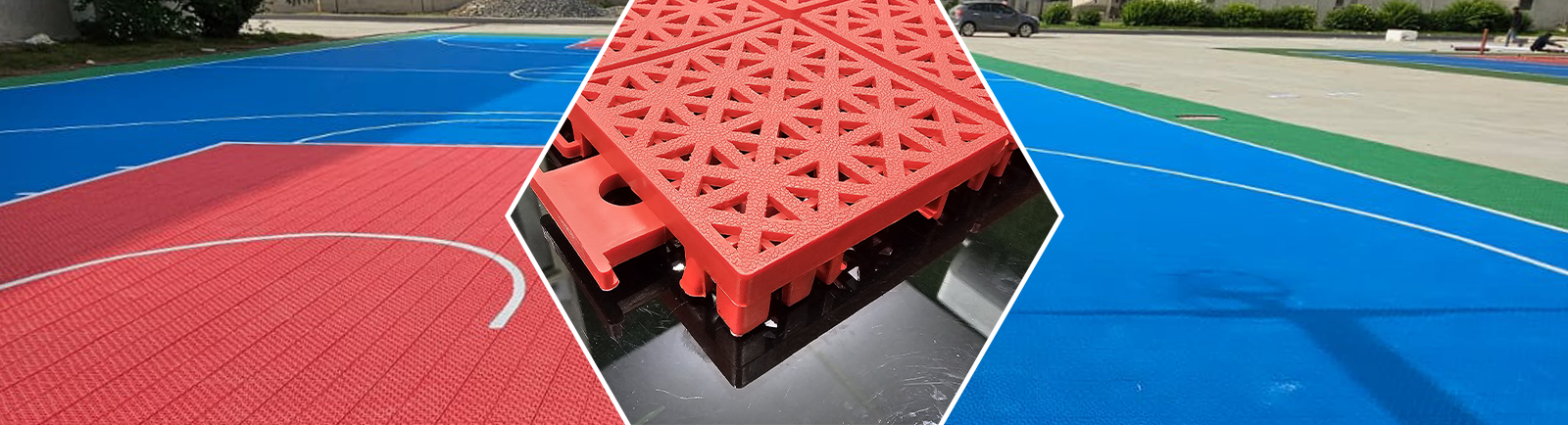
At first, most people thought they were simply repainting the court again. But instead of concrete, they installed interlocking sports tiles. Within a few days, the entire space felt different. Children started spending more time outside, evening games became regular again, and even adults who had stopped using the court slowly came back.
The surprising part was not just how the court looked. It was how practical everything became afterwards. Water stopped collecting after rain, maintenance became easier, and the surface felt much better while running.
That is exactly why these flooring systems are becoming common in schools, sports clubs, parks, and apartment societies. People are tired of repairing the same damaged concrete surfaces every few years.
Most sports courts are used far more than people realize.
In schools, students run across them all day. In residential communities, children use them in the afternoon while adults play later in the evening. Some spaces even handle skating, badminton, and fitness activities on the same surface.
Because of this constant usage, flooring quality matters much more than appearance.
Traditional concrete courts usually start showing problems slowly. First, the paint fades. Then small cracks appear. During rain, water starts collecting in uneven sections. Eventually, people avoid certain areas because the surface feels rough or slippery.
Comfort becomes another issue after regular use.
Anyone who has practiced on hard cement for long hours knows how tiring it feels on the knees and ankles. Casual players may not notice immediately, but people who play regularly usually feel the strain after some time.
Modern flooring systems became popular mainly because they solve these everyday problems in a more practical way.
Traditional sports court construction takes time and usually becomes messy. There is leveling work, coating, paint application, drying time, and later, repair work once the surface starts wearing out.
Tile-based flooring works differently.
The court is made using connected sections that lock together securely. It sounds simple, but that design changes both installation and maintenance completely.
One thing people notice immediately is how quickly the setup can happen.
Concrete courts often take weeks before they are completely ready, especially if rain interrupts the process midway.
With modular systems, workers mainly prepare the surface properly and connect the flooring sections together. Since the pieces are already manufactured, installation becomes faster and cleaner.
Schools and sports facilities prefer this because they do not want activity areas closed for long periods.
Even smaller residential courts can often be completed without turning the entire place into a construction site for weeks.
Concrete repairs are frustrating because damage rarely stays limited to one spot.
A small crack eventually spreads, especially in outdoor spaces exposed to changing weather conditions throughout the year.
With modular flooring systems, the damaged section can usually be replaced separately. There is no need to break and rebuild the entire court because one corner got damaged.
For schools and communities, this saves both money and maintenance time over the long run.
Rainwater creates problems for almost every outdoor court.
Traditional surfaces often remain wet for hours because water sits directly on top. During the monsoon season, some courts become almost impossible to use regularly.
Most outdoor playground sports tiles are designed with drainage gaps underneath the structure. Water passes through instead of staying trapped on the surface.
This helps the court dry faster and remain usable more consistently after rainfall.
For communities where children use outdoor spaces daily, that feature matters more than people expect.
A few years ago, buyers mainly cared about durability while choosing sports flooring. Now, comfort and safety matter just as much.
Schools want safer spaces where students can play comfortably, while sports academies want players to train without putting extra strain on their bodies.
Concrete surfaces feel much harder on the body during constant movement. Running and jumping for long hours puts pressure on the knees, ankles, and back muscles.
Modern athletic flooring helps reduce some of that impact. The surface still feels stable during games, but it feels less harsh compared to plain cement courts. Grip also becomes important during fast movement.
A slippery surface quickly becomes dangerous, especially after rain or dust buildup. Good sports flooring provides traction while still allowing smooth movement during games.
Even casual players usually notice the difference after spending time on a better-quality court.
One reason behind the growing demand for interlocking sports flooring is flexibility.
Many schools and apartment societies do not have enough space to build separate courts for every activity. A multi-purpose surface solves that issue easily.
Depending on the layout and markings, the same court may support:
This allows communities to use available space more efficiently without increasing construction costs.
In many apartment complexes, the same court stays active throughout the day because different age groups use it at different times.
Different spaces require different flooring qualities.
Indoor courts usually focus more on comfort, appearance, and movement consistency. Outdoor spaces need stronger resistance against sunlight, moisture, and changing weather conditions.
Many indoor facilities choose modular sports floor tiles because they create a cleaner appearance compared to painted cement flooring.
Sports academies also prefer them because installation usually causes less disruption. Instead of shutting down the facility for major reconstruction work, the flooring can often be installed with relatively simple preparation.
Indoor players also care about consistency. Predictable movement and dependable reaction from the ball are key when training.
Weathering causes wear on outdoor playing areas. The sun bleaches the paints used, rain erodes the surface, and cracks are visible due to the weather experienced every season.
This is why most institutions use interlock court flooring on their outdoor playing grounds today. These systems are designed to handle changing weather while remaining durable for longer periods. The courts also continue looking cleaner with basic maintenance.
Traditional sports court construction often becomes stressful because delays happen frequently.
Drying time, weather interruptions, repainting, and repeated surface corrections can stretch the project timeline much longer than expected. Tile-based systems simplify much of that process.
In most cases, installation mainly involves:
Because the setup process is simpler, labor requirements are usually easier to manage too.
Some homeowners even install smaller recreational courts themselves instead of hiring large construction teams.
Cheap does not mean cost-effective forever. Concrete floors might be cheap but expensive in the long run because of the need for frequent repairs. Repainting and resurfacing eventually become regular costs.
Modern sports flooring systems reduce many of those recurring problems. Routine cleaning and occasional section replacement are usually enough to keep the surface functional for years.
For schools and residential communities, that creates better long-term value because maintenance becomes easier and more predictable.
Different priorities exist in every sports ground. Some buyers prioritize durability and performance, while others focus more on comfort and safety.
Before selecting flooring, it helps to consider:
Practical performance matters much more than appearance once the court starts getting regular use.
Schools and residential communities need surfaces that remain usable despite heavy activity throughout the day.
That is one reason many organizations now install outdoor playground sports tiles in playgrounds and recreational spaces. These surfaces support sports activities while also handling regular foot traffic comfortably.
Communities also appreciate the visual improvement. A clean and organized sports area naturally attracts more participation from children and families.
In many apartment societies, upgraded courts quickly become one of the busiest places in the entire complex.
Some people assume sports flooring automatically means difficult maintenance. Maintenance, on the other hand, is relatively easy.
The most common tasks are:
Since the water can drain freely from the system, problems with moisture are minimized compared to normal concrete surfaces.
Sports infrastructure is no longer limited to professional stadiums.
Today, schools, parks, residential projects, and fitness communities are investing more in recreational spaces that people actually enjoy using regularly.
As expectations continue changing, flooring systems must provide comfort, durability, safety, and easier maintenance together. That is one reason modular sports floor tiles are becoming increasingly common across modern sports spaces.
People no longer want courts that become repair projects after every rainy season. They want surfaces that remain functional, comfortable, and visually clean for years.
A sports court affects much more than appearance. A sports court affects more than just appearance. It influences comfort, safety, maintenance, and how often people actually use the space.
That is the reason why more and more institutions such as schools, stadiums, or residential areas choose the interlocking sports tiles compared to ordinary hard courts because they are much more flexible, durable, easier to maintain, and provide better conditions for playing.
Whether you are upgrading a school playground or building a new sports facility, whether you are upgrading a school playground or building a new sports facility, long-term durability and practicality matter far more than short-term installation costs.
...