


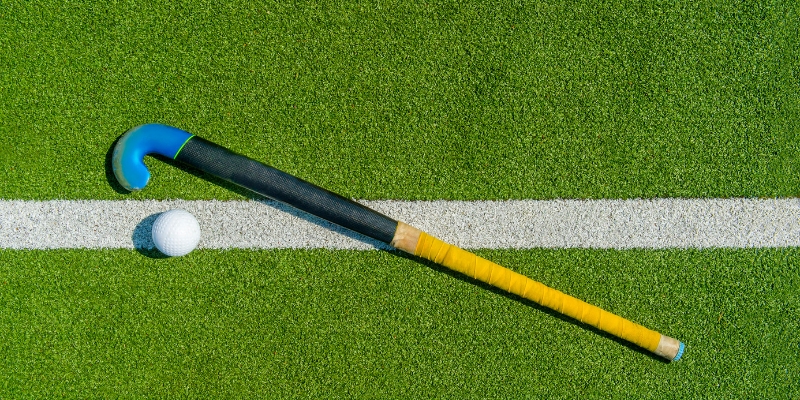
Picking the right hockey turf starts with pile height. Use 13mm turf for competitive training. Use 18mm turf for youth or beginner programs. Next, check the stitch rate. Also check the density. Denser turf lasts longer. It also performs better under daily use. Safety features matter too. Shock pads protect players from injuries.
UV-resistant fibers help the turf survive sun and weather. Proper base preparation during installation keeps the whole surface safe and strong.
Choose a hockey turf manufacturer who gives clear specifications. Plan for regular maintenance from the start. This keeps the turf performing well for years of training and competition.
This guide walks through what actually matters when picking a hockey turf, from pile height to maintenance needs. It also covers how to compare products side by side, so a decision does not come down to guesswork.
Pile height is the length of the turf fibers, and it plays a huge role in how the ball moves and how players feel underfoot. Hockey turf usually comes in two heights. These are 13mm and 18mm. Each height suits a different kind of play.
Shorter turf around 13mm gives a faster ball roll. It also stays flatter. This matches what players face in real competitive matches. It works well for academies training players for tournaments.
Taller turf closer to 18mm gives more cushioning. It also gives more grip. This suits younger players. It also works well for general training where comfort matters more than speed.
An academy training serious competitive players should choose the shorter pile. An academy focused on beginners and youth programs may prefer the taller turf, for extra cushioning.
Density and stitch rate decide how tightly packed the turf fibers are. Denser turf holds up better over time and provides a more even surface for ball movement. Loosely packed turf tends to flatten and wear out faster, especially in high-traffic zones like goal areas.
Most quality synthetic field hockey surface products list their stitch rate per ten centimeters and their overall density per square meter. Higher numbers in both categories generally mean a longer-lasting, more consistent surface. This is worth checking closely, since two turfs that look identical in photos can perform very differently once installed.
Comparing raw numbers is often the easiest way to see real differences between turf options. The table below shows how two common turf types compare across the specifications that matter most for an academy.
| Specification | Short Pile Turf (13mm) | Tall Pile Turf (18mm) |
| Ball Roll Speed | Fast, closer to match conditions | Slower, more controlled |
| Cushioning | Lower, firmer feel | Higher, softer underfoot |
| Best Suited For | Competitive and tournament training | Youth and beginner programs |
| ypical Stitch Rate | Around 34 per 10cm | Around 23 per 10cm |
| Typical Density | Around 71,000 per sqm | Around 48,000 per sqm |
| Maintenance Level | Moderate | Moderate to low |
An academy can use this kind of side-by-side comparison with any turf options it is considering. Asking a supplier for the exact stitch rate, density, and pile height numbers makes it much easier to compare products fairly instead of relying on marketing claims alone.
Safety should never be an afterthought when choosing a turf for an academy, especially one working with children and teenagers. A good surface needs enough grip to prevent slipping, along with enough give to reduce stress on joints during quick stops and turns.
Shockpads installed underneath the turf can make a big difference here. They absorb impact and reduce the strain on ankles and knees, which matters over months of repeated training sessions. Academies training younger players in particular should not skip this layer, even if it adds to the upfront cost.
Sports academies often train outdoors through different seasons, so weather resistance matters more than people expect. Turf exposed to heavy rain needs proper drainage built into the base and backing material, or water will pool and damage the surface over time.
Sun exposure is another factor. Cheaper turf fibers can fade or become brittle after long exposure to strong sunlight, which shortens the usable life of the field. Choosing turf built with UV-resistant materials helps the surface keep its color and performance for years instead of fading within a single season.
Even the best turf will underperform if it is installed on a poor base. Proper base preparation includes leveling the ground, adding drainage where needed, and in many cases installing a shockpad layer underneath the turf itself.
Academies should ask installation teams detailed questions about how they prepare the base before turf goes down. A rushed installation on an unprepared base often leads to uneven surfaces, drainage problems, and a shorter turf lifespan overall.
Turf maintenance costs less than natural grass. But it is not maintenance-free. Regular brushing keeps the fibers standing up. It also prevents matting in high-traffic areas.
Cleaning removes debris. This debris can affect ball roll. It can also affect player safety over time.
Academies should ask about maintenance needs before buying. Some turf types need more care than others. Budgeting for basic upkeep from the start avoids surprises later. It also helps the surface perform well for its full lifespan.
A sports academy is not a backyard field. It sees hours of daily practice, multiple age groups, and constant wear from cleats, sticks, and balls. A turf that looks fine in a showroom photo can wear out fast under that kind of pressure.
The right surface protects players from injury, keeps the ball roll consistent for skill development, and holds its shape through years of heavy training. Academies that choose poorly often end up replacing turf far sooner than expected, which adds cost nobody planned for.
The turf itself is not the whole story. Working with an experienced hockey turf manufacturer matters just as much. Manufacturing quality affects how long the surface lasts. It also affects how well it performs.
A reliable manufacturer will offer clear specification sheets. They will answer detailed questions about materials. They will also stand behind their product with proper support after installation.
Academies should be careful with suppliers who avoid giving specific numbers. This includes numbers on density. It also includes stitch rate and material type. Vague answers often point to lower-quality products.
Choosing the right hockey turf comes down to a few key decisions. Pile height should match the training style. This could mean fast-paced competitive play. Or it could mean cushioned beginner sessions. Density and stitch rate numbers should be compared closely. Do not judge turf by appearance alone.
Safety features like shock pads matter for player wellbeing. Weather resistance protects the investment over years of outdoor use. Working with an experienced manufacturer ties everything together. So does a careful installation team. A well-chosen artificial turf surface can serve an academy reliably. This is true when it is properly installed and maintained. It can last for many years of training and competition.
...